-01.svg "GGI main logo")


By: Tiago Santana - Founder & CEO, Gray Group International • Serial entrepreneur and growth strategist who has built and scaled multiple companies across technology, media, and consulting. Expert in growth strategist and editorial voice for a global think tank building companies that advance the human experience
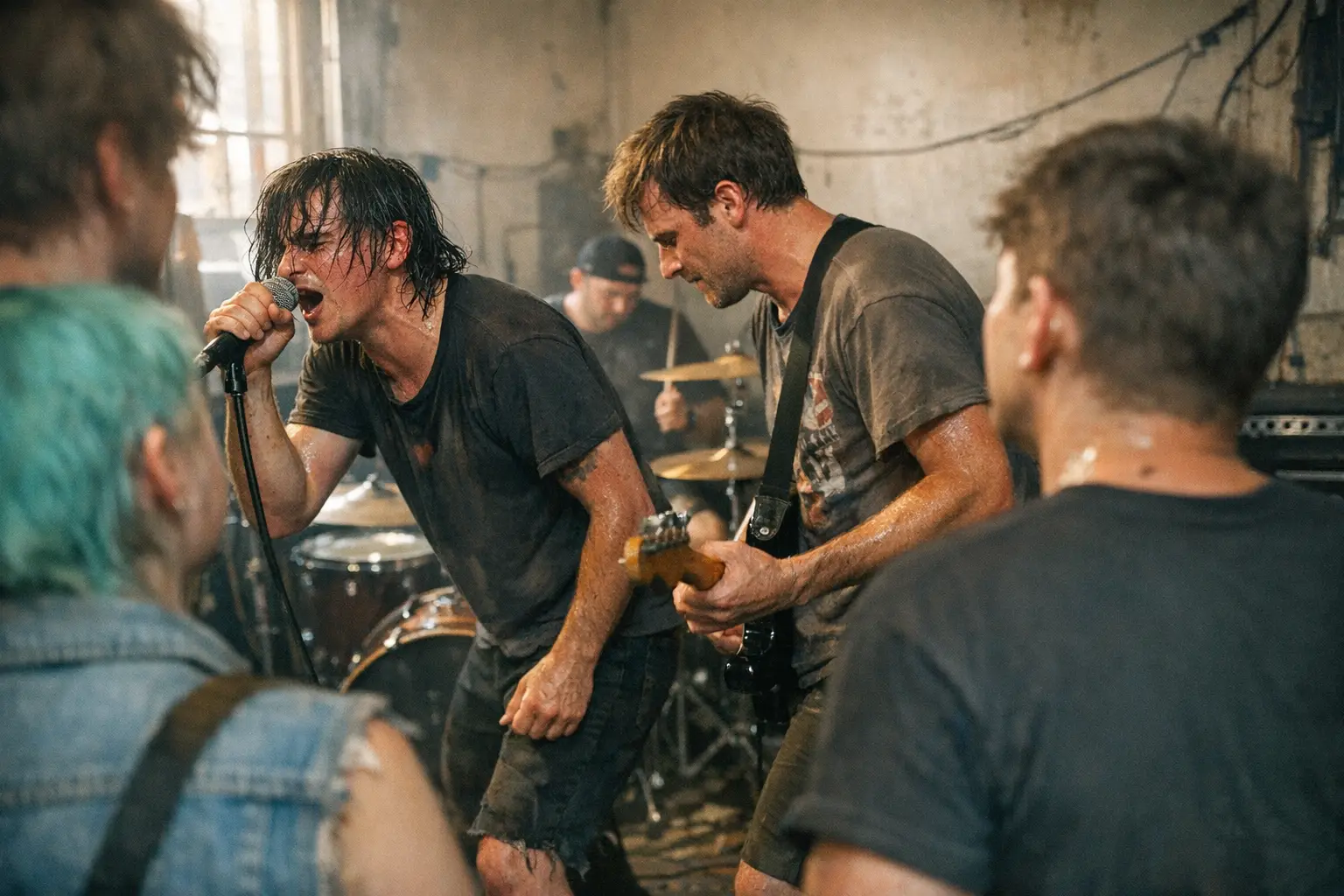
Bold claim: punk lasts because it built trust before it built prestige. That’s why people still flatten it into fashion and still miss the point. A rough sound mattered, yes. But the deeper force was a shared way of making, gathering, and signaling belonging.
Punk rock is best understood as a culture, not just a genre. In plain English, it joins raw expression, simple form, DIY action, and scene-based identity. If you need to study it or reference it in business, start with context, place. Participation before you touch the look.
Who is punk rock for, really?
Punk has never been only for expert listeners or record collectors. It opened a door for people who didn't want to wait for permission. That helps explain why it spread through scenes, not through one central authority.
For leaders and builders, that matters. Movements often start where access is cheap and standards are loose. Later, outsiders notice the style first because style is easy to copy. Meaning is harder. Punk rewards anyone willing to make something direct and public. It also asks whether that act comes from real commitment.
Identity over genre in plain English
The clearest definition in the source material comes from Pitchfork: punk is “more than just a sound, it’s a whole way of being” (Pitchfork). That line does real work. It shifts the frame from music features alone to identity, posture, and social practice.
Pitchfork also ties that identity to visible codes such as “lived-in T-shirts and Levi’s,” adding that “Black Levi’s jeans became a staple for everyone who was there” (Pitchfork). Those details weren't random styling choices. They marked closeness to a scene and distance from polished status display.
A lot of bad cultural reading starts here. People hear fast guitars and think they understand punk. They don't. Sound matters, but belonging matters more.
DIY scenes and community trust
DIY means people build channels when gatekeepers don't serve them. In punk, that usually meant shows, flyers, venues, and norms created by participants themselves. Trust formed through repeated local action.
The National Park Service gives a useful example by tracing DC-area punk through public programming space and DIY show history. Its account links “the emergence of punk in the aftermath of the Summer in the Parks Series of the late 1960s” and notes that Ian MacKaye “first attended a concert at Fort Reno in the late 1970s” (National Park Service).
That detail changes how you read the culture. Scenes don't grow from attitude alone. They need places people can reach, rules they can work around, and enough continuity for memory to stick.
How do six songs map the culture?
Six songs won't contain all of punk. Still, that frame helps because punk isn't one unified doctrine. It's closer to a set of recurring commitments that appear across bands, cities, and moments.
A useful reading method is simple: listen for directness, then ask what social role the song plays. Does it reject polish? Does it widen who gets heard? Does it turn limited means into shared energy? Those questions reveal more than genre tags do.
Raw form and growth strategy lessons
Pitchfork's feminist-punk feature defines punk as “some kind of raw expression, not only an attitude” (Pitchfork). That's a sharp distinction. Raw doesn't mean careless. It means stripping away extra layers so intent lands fast.
Builders can learn from that without dressing like a subculture they haven't earned. Consider a small team trying to sound more human in public. The lesson isn't torn graphics or sneering copy. It's clearer language, fewer scripted phrases, and more room for community response.
History backs this up better than myth does. Pitchfork frames “the explosive summer of 1976” as a key period of visibility (Pitchfork). Rolling Stone adds a hard marker: the Ramones played back-to-back shows at the Roxy on Aug. 11 and 12, 1976 (Rolling Stone). Moments like those matter because they show how scenes become legible beyond their home base.
Public spaces and social impact
Public space is part of punk history because access shapes culture. If expensive venues are scarce, parks and informal sites can become civic infrastructure for art. That's not romance. It's logistics turning into identity.
The National Park Service makes that point especially well in DC-area history through Fort Reno and park programming (National Park Service). For organizers today, that's the useful part: low-cost participation can create stronger local ownership than polished events built mainly for spectators.
I've seen this pattern matter far beyond music culture. When people help build the channel itself, they defend it differently. They don't act like consumers standing outside the thing.
Women, dissent, and purpose-driven business
Any account that treats women as an afterthought gets punk wrong. Pitchfork's framing is direct: “From Patti Smith to Bikini Kill,” feminist-punk songs “have crushed stereotypes and steered progress” (Pitchfork). That's not side history. It's central history.
That matters in purpose-driven business because dissent often reveals who a system was built to exclude. Punk's feminist strands show how cultural forms can challenge gatekeeping while still staying raw and confrontational.
So if you're curating programs or building brand stories around rebellion, ask better questions. Who gets framed as original? Whose labor shaped the scene? Who had to fight just to be heard inside the movement itself?
When should leaders reference punk carefully?
Use punk carefully when stakes are public and meaning matters more than mood board appeal. The risk isn't just looking shallow. The bigger risk is breaking trust by extracting coolness from a culture while ignoring what made it credible.
That problem shows up often in strategy work. A team wants “punk energy,” but their process removes participation at every step. Audiences spot that gap quickly because authenticity isn't an aesthetic layer. It's proof that your behavior matches your claim.
Authenticity in digital transformation
Digital change often pushes organizations toward cleaner systems and tighter message control. Sometimes that's useful. But total polish can erase signs of life.
Punk offers a counterweight here. Direct language beats managed vagueness when trust is fragile. Participation beats image when communities want proof they're being heard. If you're borrowing anything from punk in product design or communications, borrow candor first.
Most brands shouldn't use its visual codes unless they have real ties to them. Better to study how scenes earned belief through consistency than copy symbols detached from context.
Global context, AI and technology, and memory
Punk began in local scenes, yet its lessons travel well because every digital system has edge communities shaping future norms first. That's one reason Gray Group International studies culture seriously as part of building companies that improve life in the digital age.
Memory matters here too. Once AI tools can remix any style on command, surface imitation gets even cheaper. Context becomes more valuable, not less. Teams working with subcultural references should document sources carefully, preserve place-based history where possible. Avoid turning living traditions into empty prompts.
If you're shaping strategy around cultural identity, public storytelling, or community-led growth, schedule a strategy conversation with Gray Group International
Related reading: Rip It to Shreds: A History of Punk and Style. Related reading: Punk, Disco, and Silly Love Songs: Revisiting the Explosive Summer of 1976. Related reading: The Story of Feminist Punk in 33 Songs. Related reading: 50 Years Ago Today: The Ramones Took on the Punk Skeptics at Their West Coast Debut. Related reading: Wanna See a Show? Do it Yourself: Punk Music at DC-Area National Parks.
You Might Also Like
If you want more practical reading after this punk piece, these Gray Group International guides are a straightforward next step. They cover two common topics that call for clear, plain advice: property taxes and retirement accounts. Start with A Beginner's Guide to Property Tax Basics if you want the core rules in one place, then use the shorter pieces, Property Tax Basics Explained and Tips for Property Tax Basics, for a quicker overview. If retirement planning is on your list, A Beginner's Guide to Roth IRA Contribution Limits gives the basics, while Understanding Traditional vs Roth IRA helps you compare the two account types.
Ready to act on this?
If you are weighing how these ideas fit into your plans, you do not have to work it out alone. Gray Group International partners with founders, executives, and boards who want a clear-eyed read on their options and a realistic path to results. We will tell you plainly what we would do in your position, including the parts that do not involve hiring us at all.
Discover more insights in Music, our full collection of articles on this topic.
Join Disruptors Digest
Insights for a future worth creating. Sustainability, lifestyle, business, and beyond.
Gray Group International is a growth studio helping businesses attract, convert, and retain customers. Our consulting arm, gardenpatch, offers hands-on playbooks and strategy sessions.
