-01.svg "GGI main logo")


By: Tiago Santana - Founder & CEO, Gray Group International • Serial entrepreneur and growth strategist who has built and scaled multiple companies across technology, media, and consulting. Expert in growth strategist and editorial voice for a global think tank building companies that advance the human experience
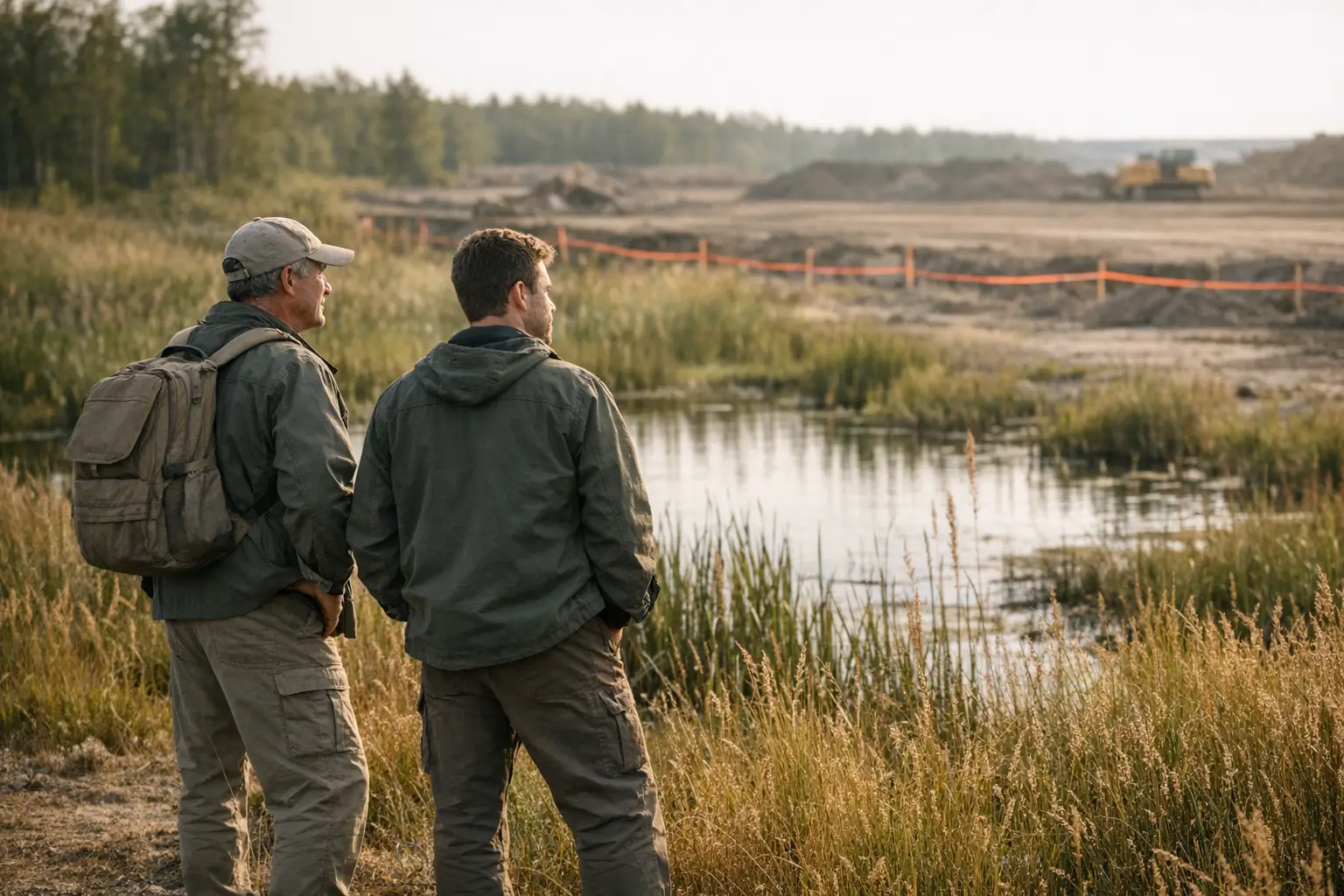
Consider two hypothetical firms planning the same expansion. One treats nature as a late compliance check. The other starts with baseline conditions, local rights, and likely ecological pressure. The first gets delay, conflict, and redesign. The second still faces trade-offs, but it makes them earlier, with more options.
Environmental conservation and protection matters because it changes what your organisation can build, source, claim, and sustain over time. The practical path is simple in outline: define what needs protection, identify the pressure on it, choose prevention before repair, then monitor and adapt.
Set the context for environmental conservation and protection
Conservation is not just about setting land aside. It is the work of keeping ecosystems, species, habitats, and resources functioning over time. Protection is broader. It includes preventing pollution, poor siting, habitat loss, and extraction that pushes natural systems past their limits.
For business leaders, the real question is not whether nature matters. It is where it enters decisions you already make. Site selection, sourcing, logistics, product design, and infrastructure planning all sit inside environmental limits, even when teams do not name them that way.
A serious conservation effort starts with one blunt question: what are we trying to protect, and from what? That step sounds obvious. Yet many weak programs skip it. They announce activities before they define targets, pressures, timeframes, or trade-offs.
Why nature shapes operating risk
Nature becomes operating risk when ecological damage comes back as disruption. A degraded watershed can affect water reliability. Habitat loss can trigger permitting friction. Poor land management can raise erosion, flood exposure, or conflict with nearby communities.
Many leaders still treat conservation as brand language. That is usually where trouble starts. Reporting can look polished while field conditions keep worsening. A disclosure process may help internal discipline, but it does not change outcomes unless procurement rules, project design, maintenance plans, and incentives change too.
Another hard truth sits underneath this issue. Prevention usually costs less than repair in organisational terms. Once a site plan hardens or a supplier base locks in, your options shrink fast. Conservation works best when it enters decisions early enough to change them.
Choose a practical conservation frame
The safest default is to narrow the problem before you expand the ambition. Teams often fail because they try to solve every environmental issue at once. That creates scope creep, weak ownership, and vague claims no one can test.
A practical frame has five parts. Start with a baseline assessment of current ecological conditions and social context. Name a clear conservation target. Identify direct and indirect pressures on that target. Choose actions tied to real decision rights. Then set monitoring rules that allow adaptation when reality changes.
That sequence matters because action without baseline data is mostly guesswork. You cannot show progress if you never established starting conditions. You also cannot learn much from failure if nobody agreed on what success meant in the first place.
Define scope across land water and species
Scope should follow impact pathways, not internal org charts. A single site may affect habitat condition on land, runoff into water systems, and access patterns for nearby communities. Species movement can also extend beyond property lines. If you only review one footprint map, you will miss the actual problem.
Consider a hypothetical manufacturer with several raw material inputs bought through intermediaries. The right first move is not a public promise. It is screening which categories may carry habitat pressure, traceability gaps, pollution risk, or weak stewardship controls. Only then can the team decide where deeper review belongs.
Good scoping also asks what level of action fits the decision at hand. Sometimes a site-specific plan is enough. In other cases you need supplier rules across one product line or policy controls across the whole company. All of it now feels ambitious, but it usually produces thin execution.
Prevention restoration and stewardship tradeoffs
Most organisations like restoration because it is visible. Planting or remediation gives people something concrete to point to. Still, restoration should rarely be your first move if avoidable harm remains built into operations.
Prevention means stopping damage before it happens through better siting, design, sourcing, timing, or operating controls. Stewardship means maintaining ecological function over time in working landscapes or shared resource systems where use continues. Restoration comes in when damage already exists or recovery is needed after disturbance.
The trap is using restoration to cover unfinished prevention work. A mission-driven brand might want a visible nature project tied to its values, and that can be useful. But if waste controls are weak or procurement still drives habitat pressure, restoration will look more symbolic than serious.
Link sustainability to growth strategy
Conservation becomes strategic when it shapes freedom to operate. If your business depends on materials, land access, clean water flows in general terms, stable logistics routes, public trust, or long asset lives, nature is already part of growth strategy whether finance has priced it yet or not.
That does not mean every company needs an enterprise-wide biodiversity program tomorrow. It does mean leaders should connect ecological risk to decision points they control now: supplier standards, capital planning gates, site design reviews, product requirements, and approval processes for public claims.
Gray Group International's perspective is useful here because mission only matters when execution catches up with it. As a growth collective and think tank focused on improving the human experience in the digital age, Gray Group International pays close attention to governance, measurement, financing logic, and accountability across complex systems problems.
Credible action looks plain on paper and demanding in practice. You need measurable objectives linked to actual management choices.
Ready to act on this?
If you are weighing how these ideas fit into your plans, you do not have to work it out alone. Gray Group International partners with founders, executives, and boards who want a clear-eyed read on their options and a realistic path to results. We will tell you plainly what we would do in your position, including the parts that do not involve hiring us at all.
Discover more insights in Sustainability, our full collection of articles on this topic.
Join Disruptors Digest
Insights for a future worth creating. Sustainability, lifestyle, business, and beyond.
Gray Group International is a growth studio helping businesses attract, convert, and retain customers. Our consulting arm, gardenpatch, offers hands-on playbooks and strategy sessions.
