-01.svg "GGI main logo")


By: Tiago Santana - Founder & CEO, Gray Group International • Serial entrepreneur and growth strategist who has built and scaled multiple companies across technology, media, and consulting. Expert in growth strategist and editorial voice for a global think tank building companies that advance the human experience
Key takeaways
- Buyers usually read maintenance before they read design, so clean and repair before you decorate.
- A simple order helps: inspect, repair, simplify, stage lightly, then photograph.
- Safe access, clear house numbers, and working lights often matter more than extra ornament.
- Strong curb appeal fits the street and avoids upgrades that feel too personal or too expensive.
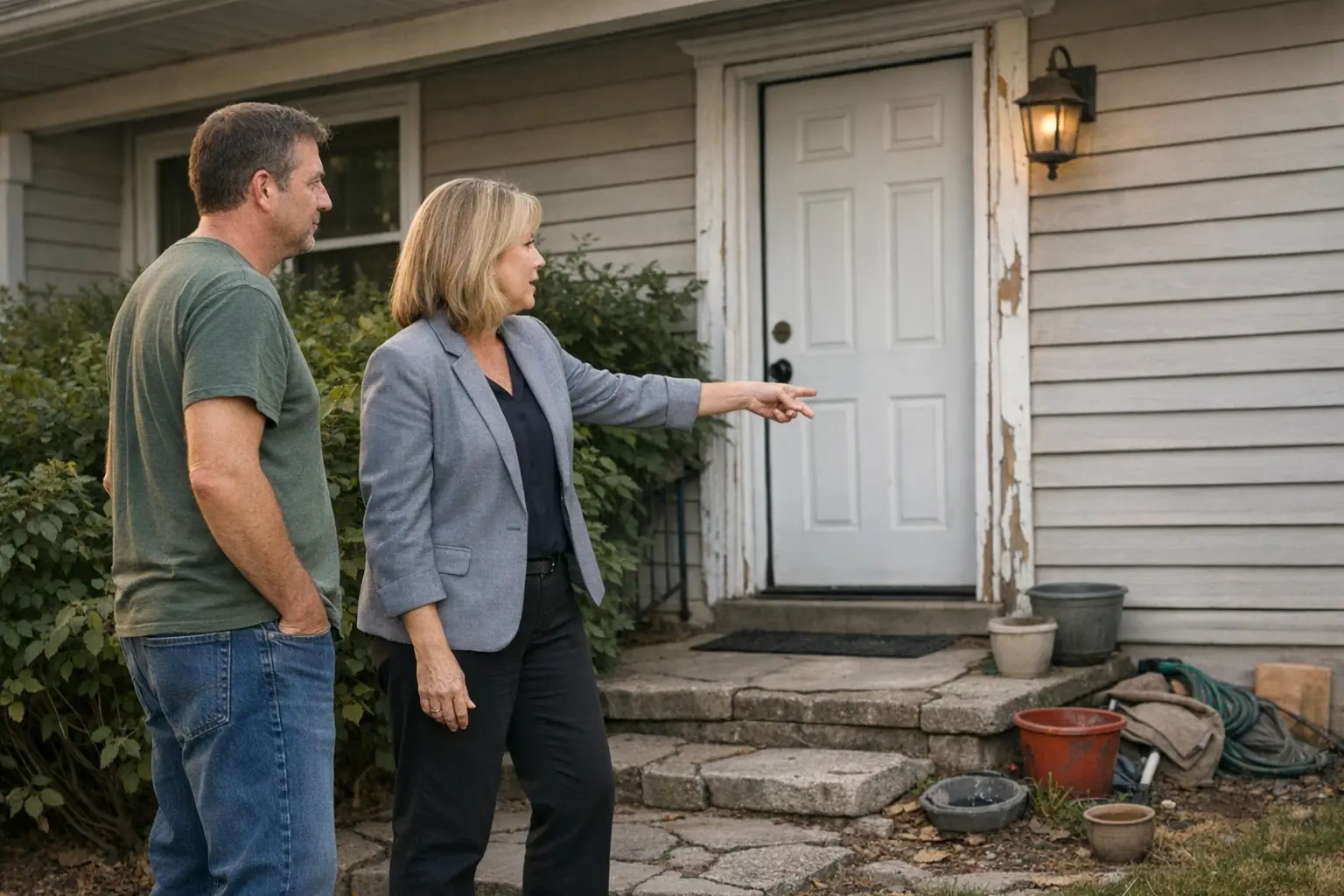
Consider a homeowner who spends a weekend adding bright flowers and new decor, then steps back and still sees a tired entry, stained concrete, and a hard-to-find front door. That tension is the core problem. Sellers often style first, when buyers judge care first.
In This Article:
- Key takeaways
- Why does curb appeal to sell a property matter first?
- Which curb appeal to sell a property issues matter most?
- How do I improve curb appeal to sell a property step by step?
- When does curb appeal to sell a property go too far?
- How do I judge if curb appeal to sell a property is ready?
What is curb appeal to sell a property? curb appeal to sell a property refers to the process, product, or concept as understood within this context. The term encompasses multiple aspects relevant to industry professionals and consumers alike.
Why does curb appeal to sell a property matter first?
In short: Curb appeal matters first because buyers form an opinion before they reach the door.
Curb appeal matters first because buyers form an opinion before they reach the door. That opinion shapes how they read everything that follows inside. A clean exterior suggests care. A messy one raises quiet doubts about hidden issues.
From a practical standpoint, exterior presentation acts like a signal. Buyers do not know the full condition yet, so they use clues. Paint wear, plant health, gutter stains, crooked edging, and dim lights all become stand-ins for broader upkeep habits. A common mistake is treating curb appeal as decoration only. In most cases, buyers react faster to signs of neglect than to missing decorative touches.
Fresh flowers will not offset peeling trim or an uneven path. The goal is to make the home look cared for, easy to enter, and simple to trust.
How buyers read curb appeal to sell a property
Buyers usually scan in layers. First comes cleanliness from the street. Next comes structure, meaning roofline edges, windows, trim lines, and walkway condition. Only after that do they notice styling details like planters or porch seating.
That sequence is useful because it gives sellers a practical filter. Ask which details send risk signals and which send reassurance signals. Remove risk first. Add charm second. A swept path with dead shrubs and cracked steps still reads as deferred maintenance. A plain yard with trimmed plants, clean siding, and visible numbers feels easier to trust.
Why neglected curb appeal to sell a property hurts
Neglected curb appeal hurts because it creates friction at two stages. It can weaken listing photos online and then lower confidence during an in-person approach. The same flaw often gets judged twice.
Photos make this sharper. Cameras flatten depth but exaggerate contrast and streaking. Dark marks under gutters, clutter near railings, or patchy mulch lines often look worse on screen than they do in person. Neglect also muddies pricing perception. Even if buyers like the layout inside, visible exterior wear can make the asking price feel less grounded because the home appears harder to maintain.
Which curb appeal to sell a property issues matter most?
In short: The highest-priority issues are the ones that suggest deferred upkeep or unsafe access.
The highest-priority issues are the ones that suggest deferred upkeep or unsafe access. Think of them as tier-one fixes. They include peeling paint, clogged gutters, damaged trim, cracked walkways, dead plants near the entry, poor lighting, and visual clutter.
A useful way to prioritize is with an impact matrix. Sort each issue by buyer visibility and buyer concern. If something is highly visible and likely to raise concern, fix it first even if it is not dramatic. Decorative pots are easy to buy. Rotting wood is harder to ignore.
| Issue type | Buyer sees quickly? | Raises concern? | Priority |. |---|---|---:|---|. | Peeling paint or damaged trim | Yes | Yes | Fix first |. | Stained path or driveway | Yes | Usually | Fix early |. | Overgrown shrubs blocking windows | Yes | Yes | Fix early |. | Missing seasonal color | Yes | Low | Fix later |. | Bold decor mismatch | Yes | Medium | Simplify |.
Can curb appeal to sell a property reveal upkeep?
Yes, very clearly. Exterior condition works like an audit trail that buyers can read in seconds. Streaked fascia boards or weeds in expansion joints may seem small to an owner who sees them daily. To a buyer, they hint at delayed routine care.
Use the maintenance visibility rule. If an item sits on the main approach route or frames the front elevation, buyers will treat it as representative of overall habits. That includes gutters, porch flooring, railings, beds near the foundation, and window edges. Neat simplicity often signals care better than complexity does.
Does curb appeal to sell a property affect safety?
Yes. Safety cues are part of curb appeal because people do not separate visual comfort from physical comfort during approach. If steps feel awkward or lighting causes glare instead of guidance, visitors notice right away.
Start with access logic rather than looks alone. Can someone find the front door easily? Are paths clear? Do handrails make sense where needed? Are house numbers readable from approach? These details improve both confidence and usability. Uneven pavers or crowded entry shrubs create friction that styling cannot hide.
How do I improve curb appeal to sell a property step by step?
In short: Improve curb appeal in order: inspect first, repair second, simplify third, style fourth, photograph last.
Improve curb appeal in order: inspect first, repair second, simplify third, style fourth, photograph last. That sequence prevents wasted effort because each stage builds on visible basics rather than covering problems with decoration.
Use a street-level audit before doing any work. Stand across the road. Take photos from several angles. Review them later on a screen where familiarity will not hide flaws as easily. Clean surfaces first because dirt masks real condition assessment. Then repair defects that suggest neglect or risk before touching color accents or accessories.
Start with curb appeal to sell a property basics
Basics do most of the work when selling conditions are normal. Mow or trim for shape rather than extreme precision. Edge beds cleanly where they matter most near paths and facade lines. Wash siding only if it truly needs it and local conditions allow safe cleaning methods.
Focus on entrance clarity next. Trim plants away from steps and door hardware sightlines. Make sure exterior lights work together rather than creating harsh hotspots. Remove excess furniture or personal decor so buyers can read the door as the focal point. Buyers often read exaggerated quick fixes as cosmetic cover rather than thoughtful preparation.
Where should curb appeal to sell a property budget go?
Budget should go first toward repairs buyers will notice without being told about them: trim damage, paint failure at focal points, broken fixtures, and visible staining near entries if it can be managed within scope. Next fund low-maintenance improvements that support order over time.
Climate-fit plants usually make more sense than fussy seasonal replacements because they hold shape with less stress during listing prep and showing weeks alike. Consider neighborhood fit before any upgrade choice. Ask whether the change is visible, whether it removes doubt, whether it matches nearby expectations, and whether it will stay tidy with modest effort.
If you want outside help thinking through tradeoffs across presentation, sustainability, market fit, and buyer psychology, Gray Group International can help frame those decisions strategically rather than cosmetically alone. Schedule a strategy conversation here: Gray Group International contact page.
When does curb appeal to sell a property go too far?
In short: Curb appeal goes too far when spending outruns local expectations or personal taste overwhelms broad buyer comfort.
Curb appeal goes too far when spending outruns local expectations or personal taste overwhelms broad buyer comfort. The goal is not self-expression at full volume. It is reducing friction for many kinds of buyers.
Over-improvement often starts with ambition drift. Sellers fix one issue, then keep adding upgrades because each new change makes another area look dated. A disciplined stop point matters. Once core maintenance, entry clarity, and photo readiness are strong, extra spending may add little practical value.
A common mistake is copying dramatic makeover content without checking climate, block character, or likely buyer taste. What looks impressive in isolation can feel out of place beside nearby homes.
Are upgrades beyond curb appeal to sell a property worth it?
Sometimes, but only if they solve an obvious mismatch between exterior condition and expected market position. For example, replacing badly dated focal elements may help if surrounding homes set a higher baseline. But subtle consistency beats dramatic contrast most of the time.
Use basic opportunity-cost thinking. Every outdoor dollar competes with indoor touch-ups, storage reduction, cleaning, and listing photography prep. If one large project delays several smaller high-visibility fixes, it is usually not the right move before sale.
Should DIY curb appeal to sell a property stay simple?
Yes. DIY work should stay simple enough to look clean, safe, and intentional. Tasks like trimming, weeding, washing movable items, painting small worn elements if done well, or swapping tired hardware can help. Complex masonry, drainage changes, or electrical work usually need skilled review.
Many sellers underestimate finish quality risk. Uneven paint edges or rushed planting can draw attention instead of reducing it. If you are unsure whether you can complete something neatly within days rather than weeks, leave it out. A half-finished project hurts more than no project at all during active listing prep.
Ready to act on curb appeal to sell a property?
Gray Group International works with business leaders to turn insight into action. Reading about the right approach is one thing; building the team, processes, and decisions that actually move metrics inside your specific organization is another. That second part is where most of the value lives, and it's where we focus.
Every engagement starts with a working session, not a deck. We listen to where you are today, look at the data and constraints with you, and propose the next two or three concrete moves we think will make the biggest difference. You leave with a plan you can act on whether or not you continue to work with us.
Discover more insights in Blog, our full collection of articles on this topic.
Join Disruptors Digest
Insights for a future worth creating. Sustainability, lifestyle, business, and beyond.
Gray Group International is a growth studio helping businesses attract, convert, and retain customers. Our consulting arm, gardenpatch, offers hands-on playbooks and strategy sessions.
